
Where is Cleopatra?
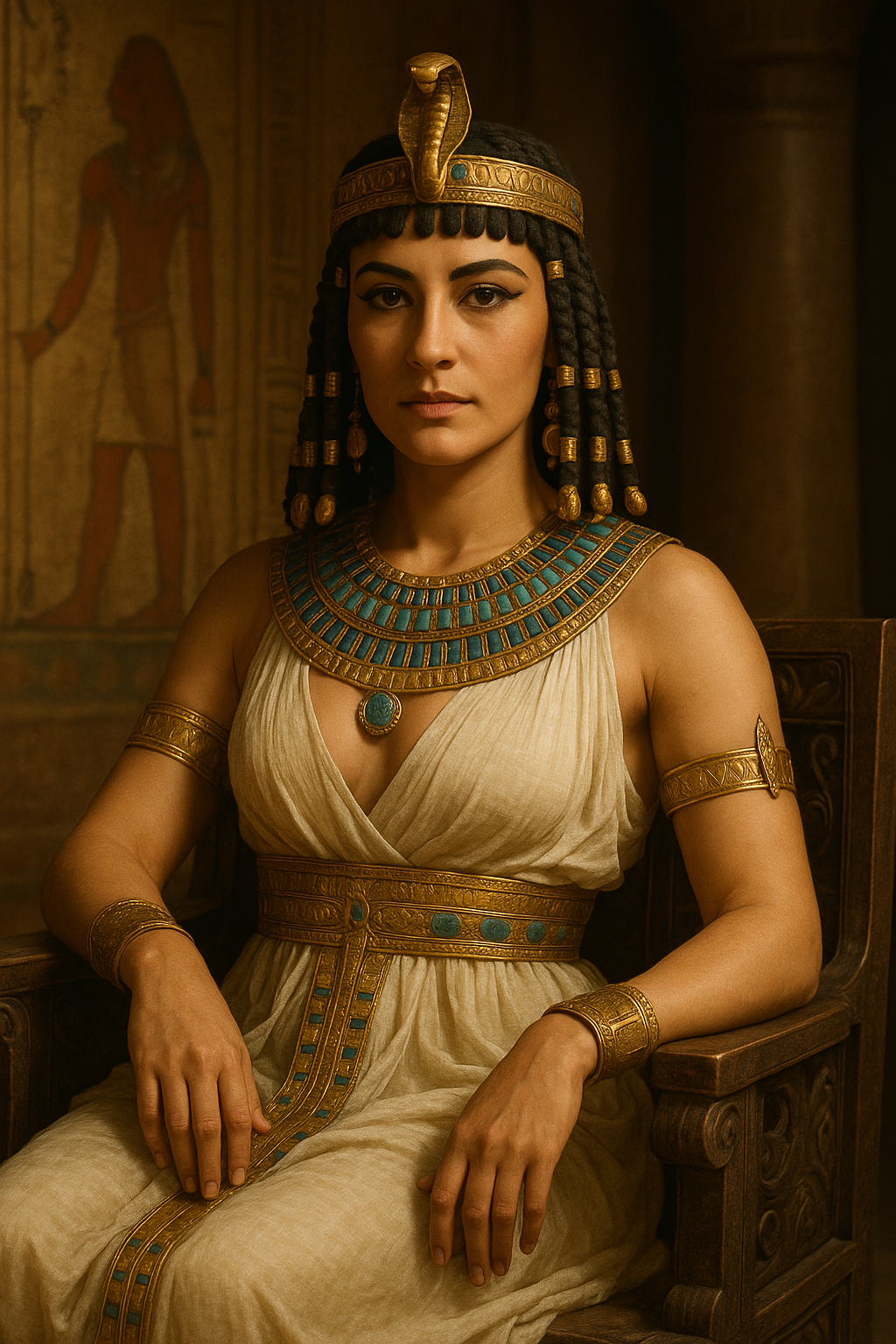

Some stories never die. They whisper through the ages, tucked into the shadows of time, waiting to be found. Cleopatra’s story is one of them, a woman of unrivaled intelligence, unbreakable will, and unforgettable presence.
She wasn’t just a queen. She was the last Pharaoh of Egypt, a leader who spoke nine languages, studied astronomy, philosophy, and medicine, and negotiated with Caesars. She ruled not through beauty alone, as history often suggests, but through her sharp mind, charisma, and a profound understanding of power and politics. Cleopatra knew how to command a room, a kingdom, and history itself.
And yet, in a world that preserves mummy after mummy, we still ask a single question:
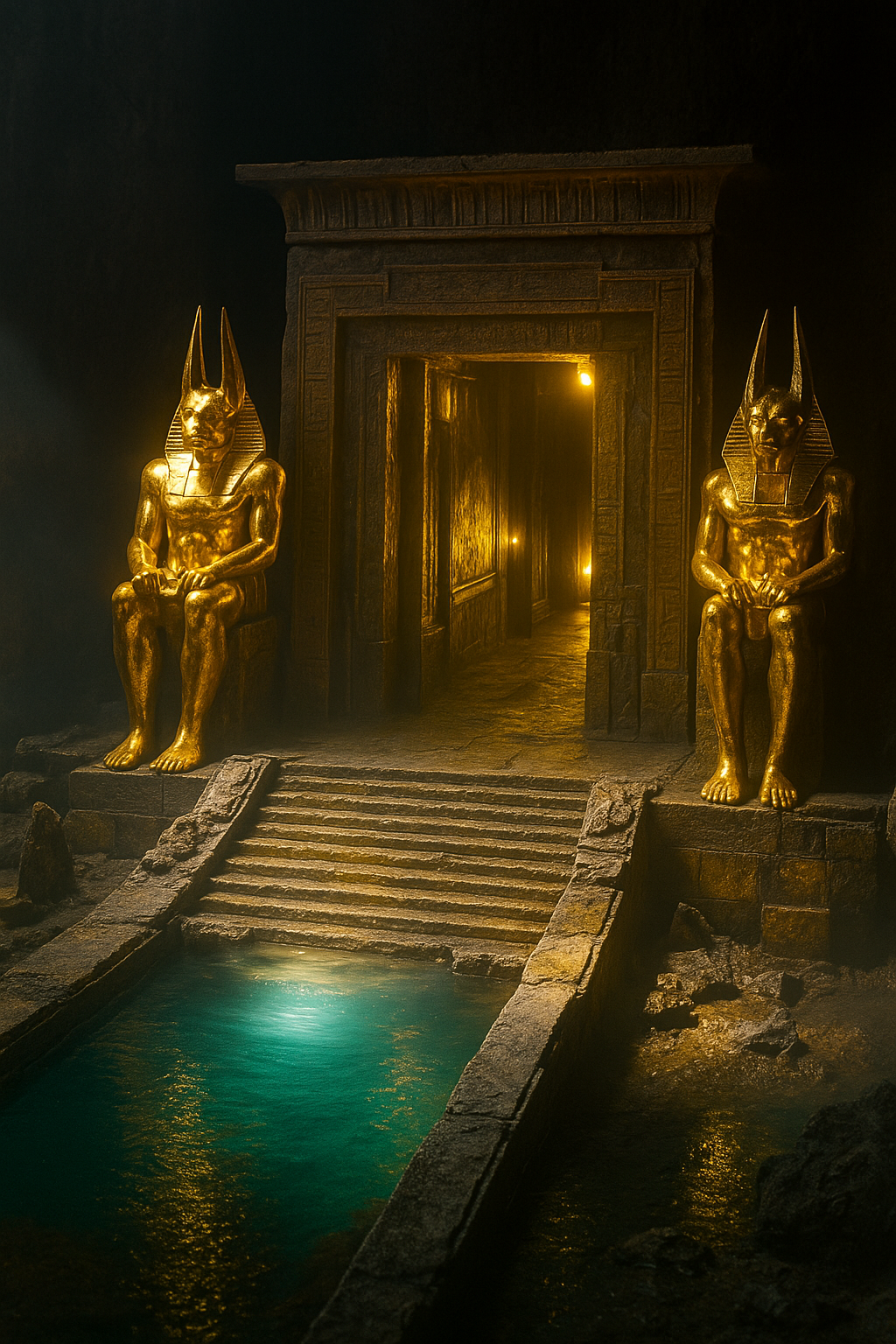
Where is Cleopatra?
Some say she lies beneath the waves, submerged under the ruins of ancient Alexandria, lost to earthquakes and tsunamis that struck the region between the 4th and 8th centuries AD. These natural disasters caused entire sections of the city, including Cleopatra’s palace and the royal quarter, to collapse into the sea.
Others believe her tomb is hidden among the Valley of the Kings, her identity veiled to protect her in death as in life.
And then there’s Taposiris Magna, a mysterious temple outside Alexandria where archaeologists have discovered golden tongues, sacred tombs, and statues of Isis. Could this be the place, a temple to the goddess Cleopatra aligned herself with? Could she be lying there still, shrouded in gold and silence?
What about Mark Antony, her lover, her war-time ally, her match in defiance? Was he entombed beside her, or buried far away, erased by Rome’s shame?
Let’s imagine it for a moment
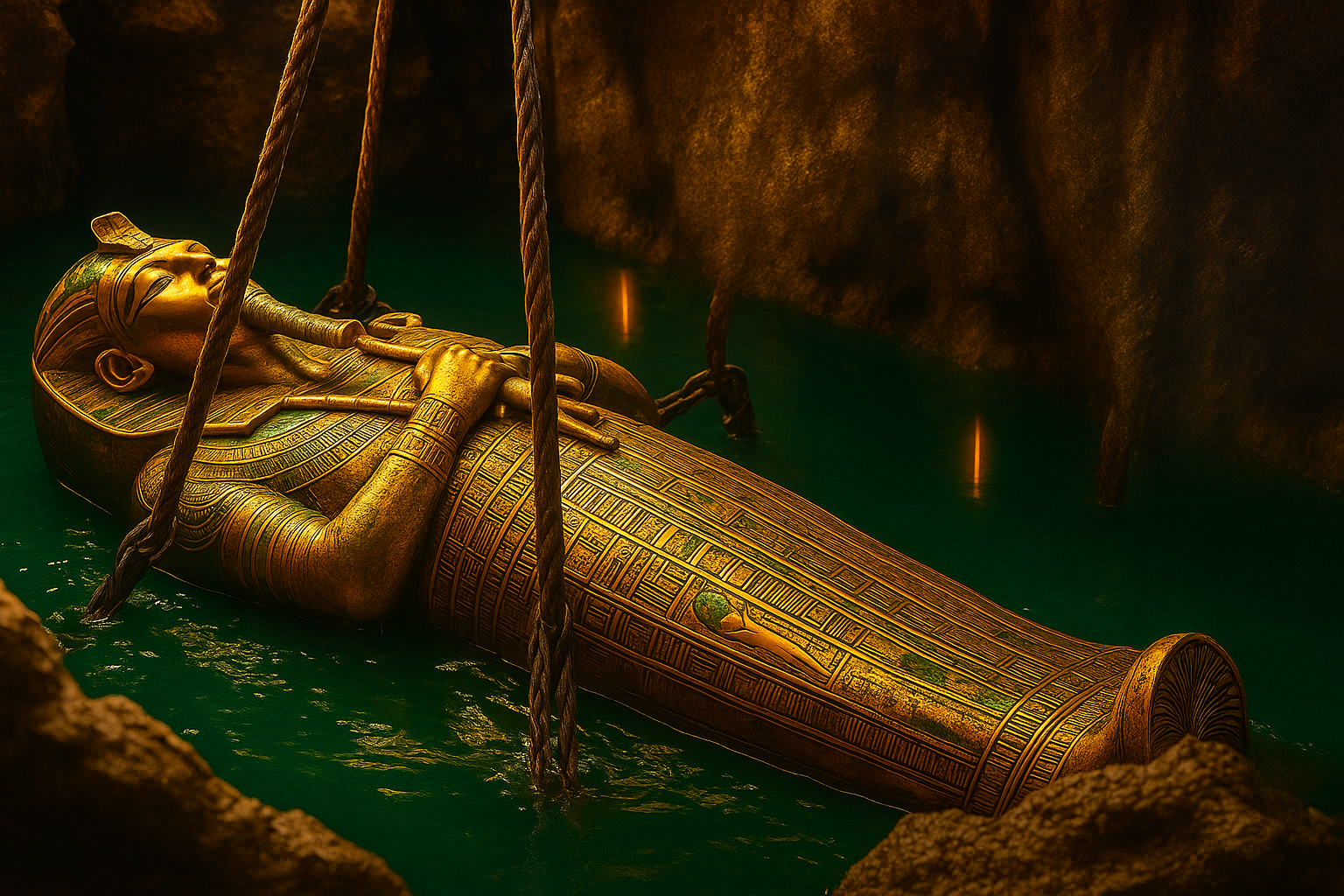
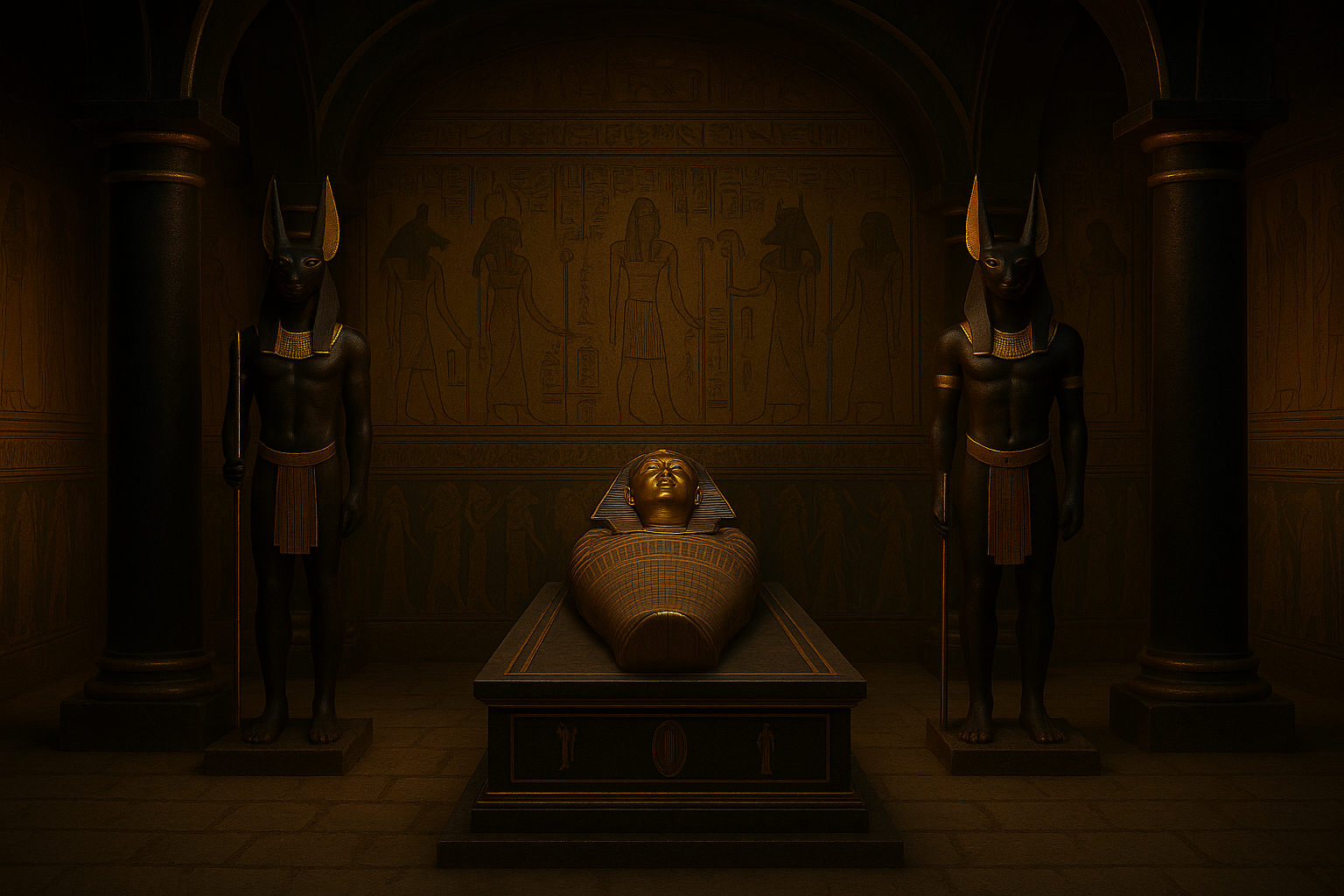
Deep beneath a temple, a passageway leads to a tomb that no modern eye has seen. Torches flicker against gilded walls. At the center, a sarcophagus carved with symbols of Isis, Hathor, and rebirth. Inside, the skeleton of a queen, draped in jeweled gold, her cobra-headed crown resting nearby. Close to her, before the tomb entrance, hidden beneath the water, another sarcophaguses, perhaps his.
Her attendants once wrote that Cleopatra wished to be buried as a goddess, surrounded by divine symbols, protected from the greedy hands of time. If that’s true, then her tomb isn’t just lost, it’s hiding on purpose.
And I love that
I love that a woman who defied empires, who led with her mind and not just her myth, might still be out there, waiting to be rediscovered, not resurrected.
Because Cleopatra was never a relic. She was, and still is, a force of history.
So, where is Cleopatra?
Maybe we’ll never know.
Or maybe, just maybe, that’s the point.


